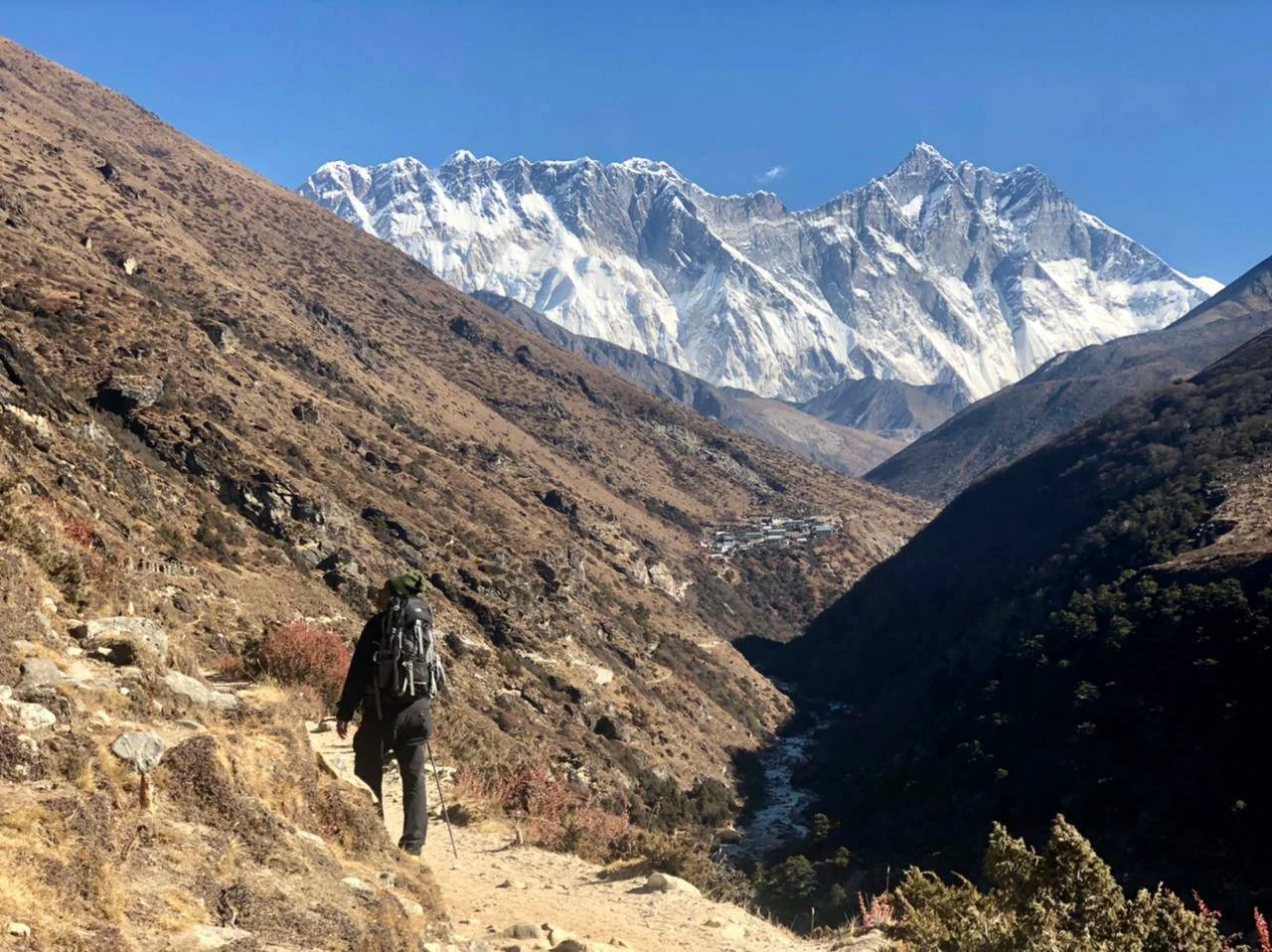
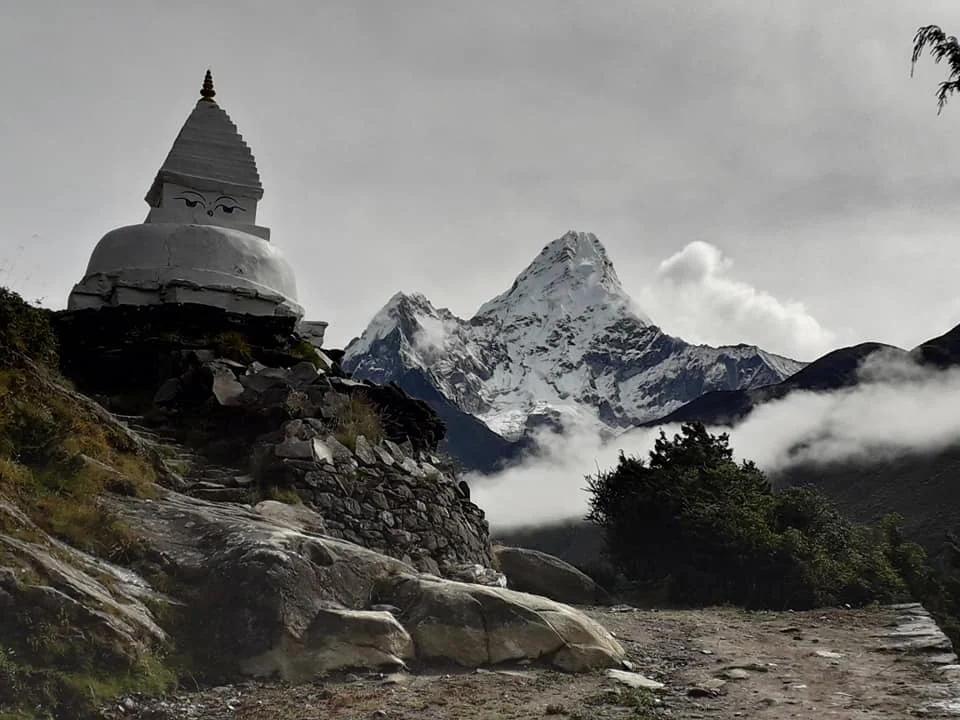
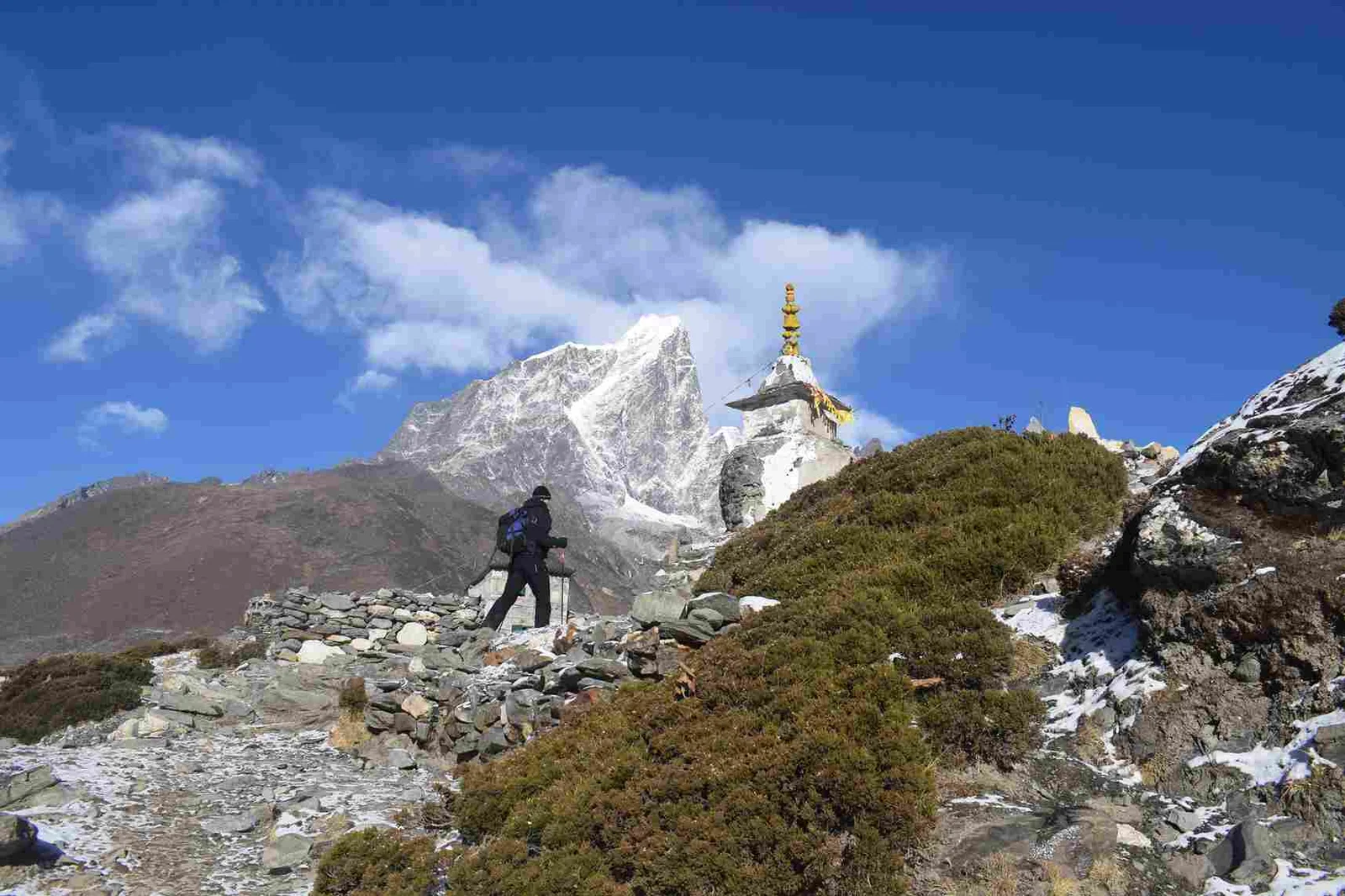
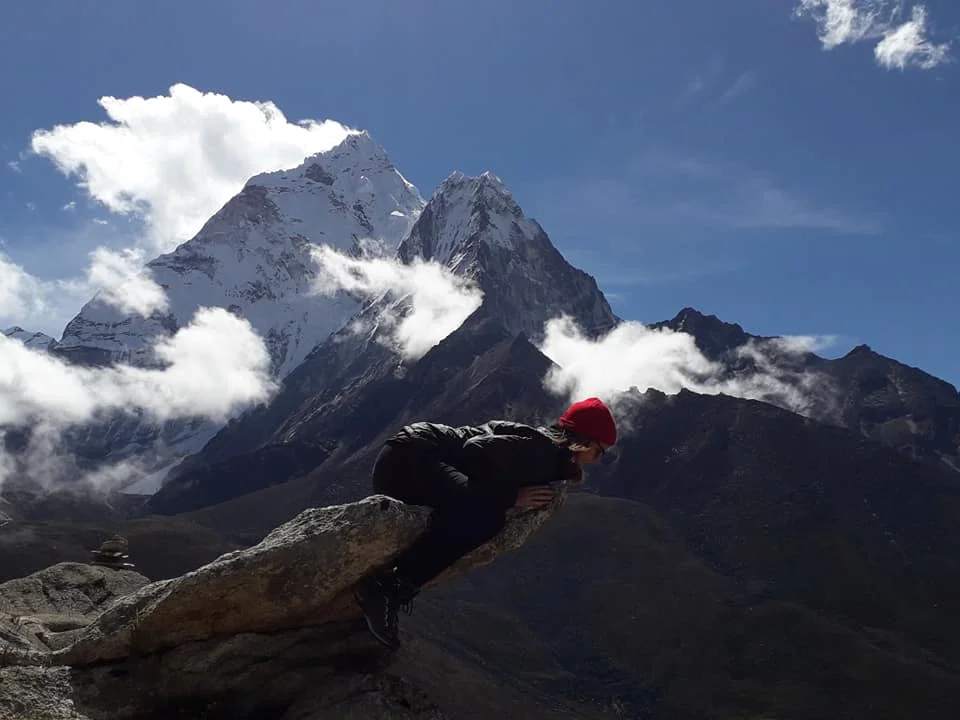
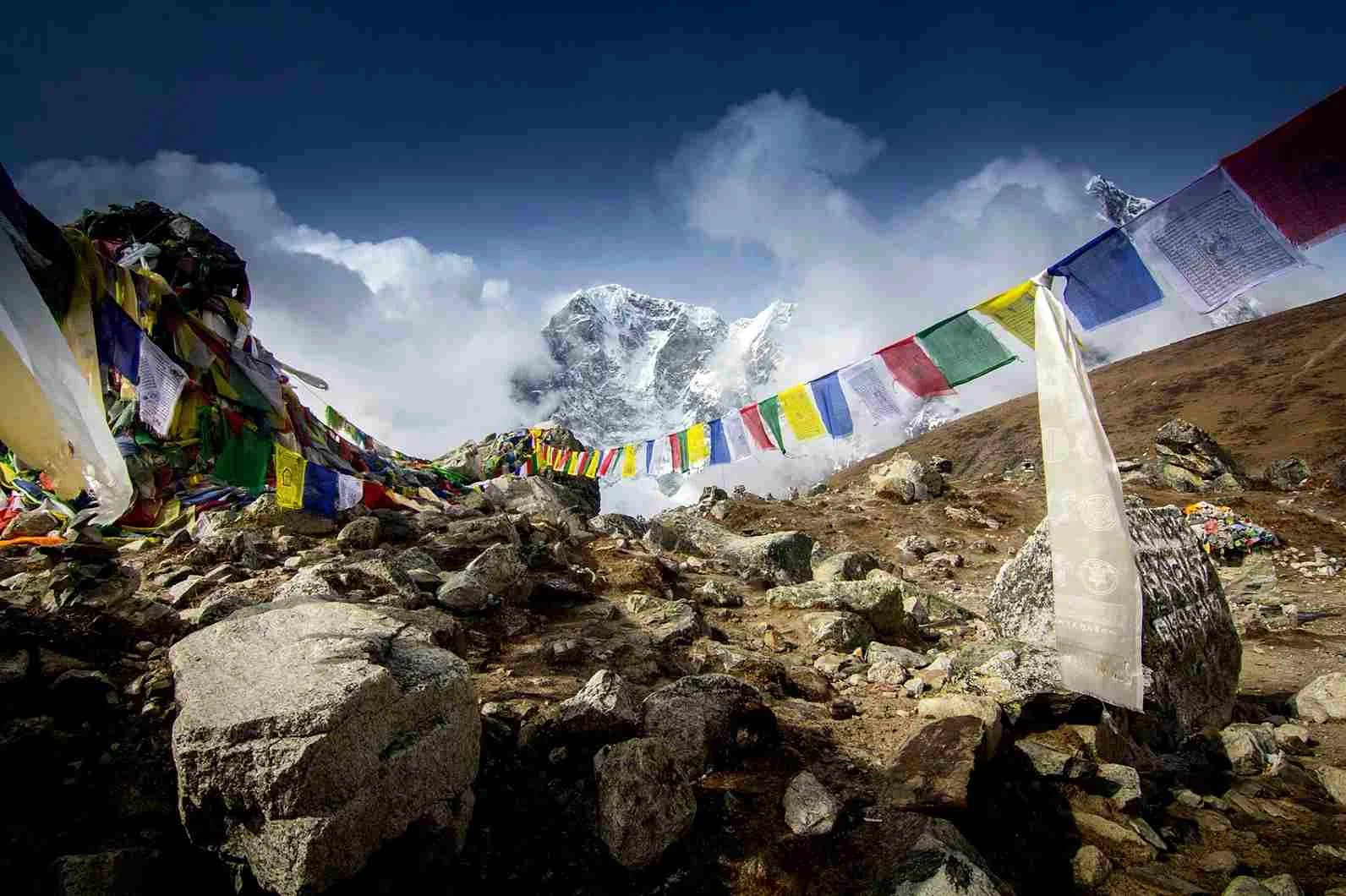
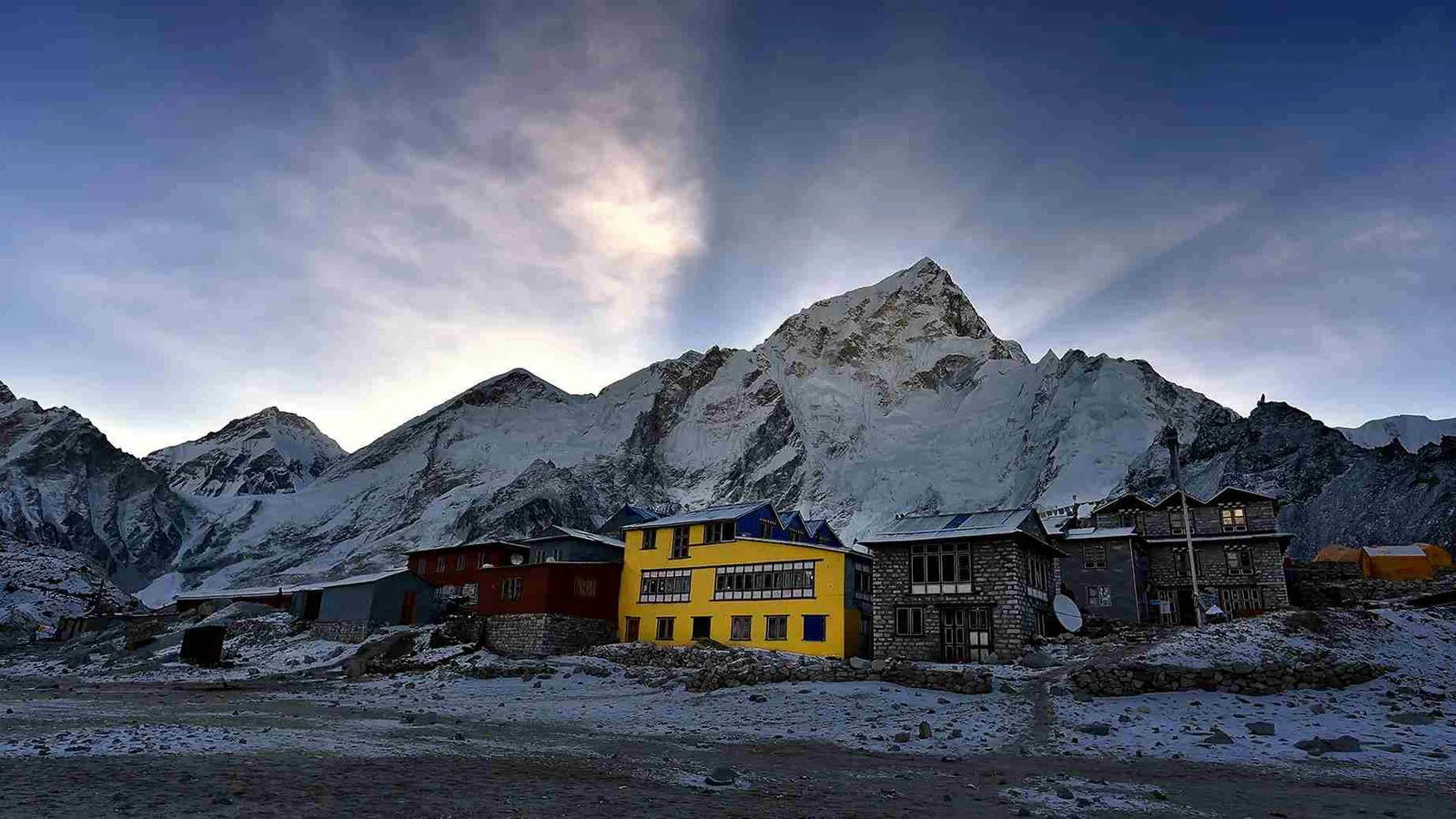
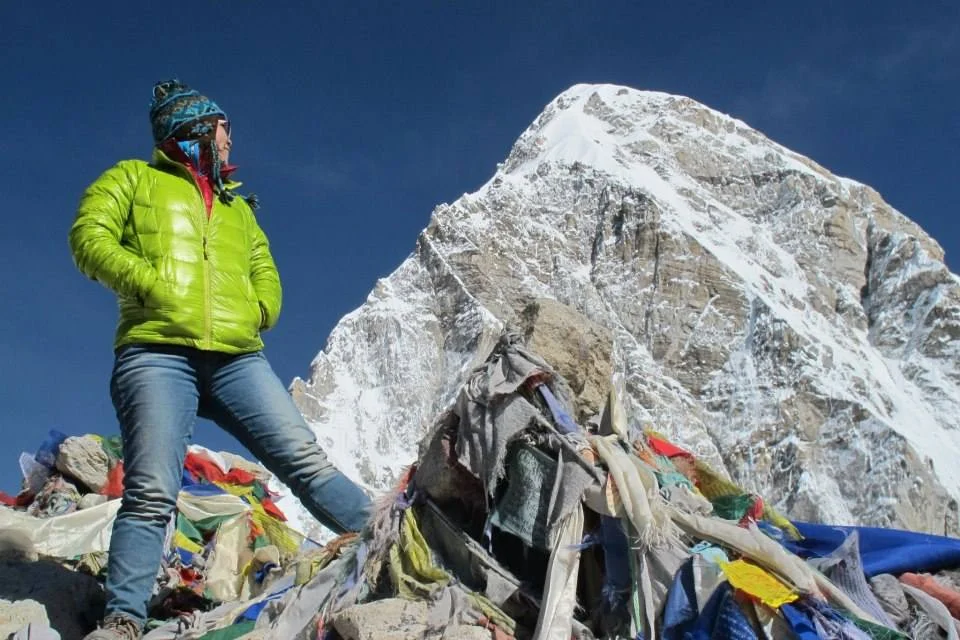
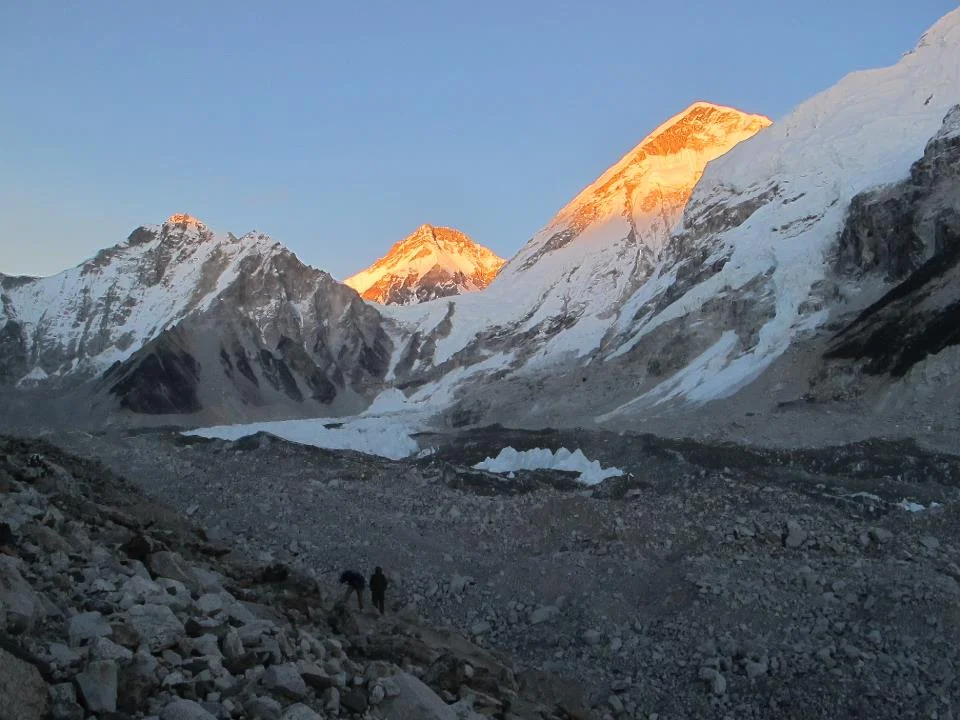
The Everest Base Camp Trek is a 12-day adventure from
Kathmandu to the base of
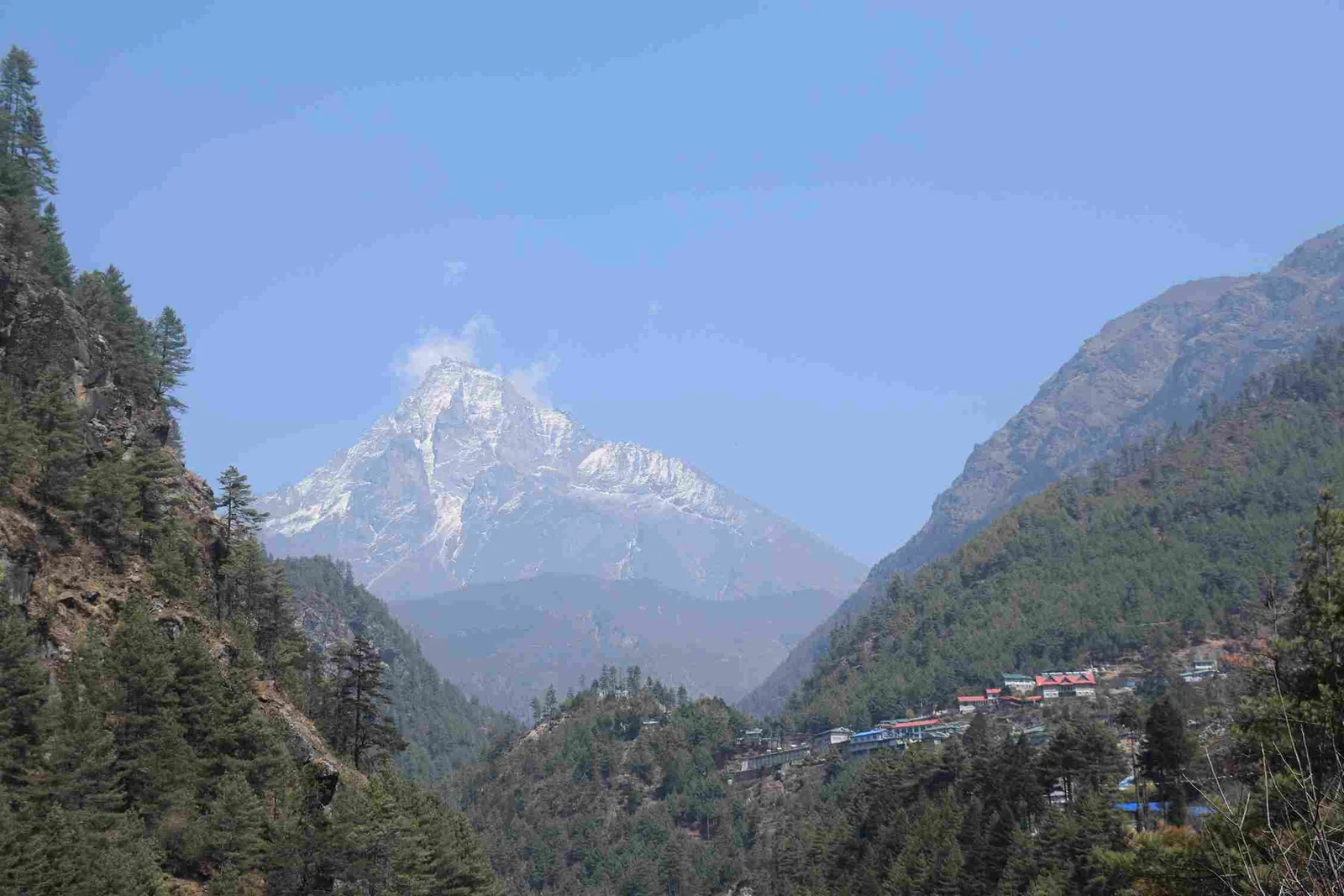
the world’s highest peak. Starting with a scenic flight to Lukla, the route
passes through charming
Sherpa villages, ancient monasteries, and the majestic Sagarmatha National
Park, culminating at the
iconic Everest Base Camp and Kalapatthar viewpoint.
Duration: 12 days
Start / End: Kathmandu / Lukla
Max Altitude: 5,545 m (Kalapatthar)
Trek Grade: Moderate to Challenging
Everest Base Camp Trekking – 12 Days
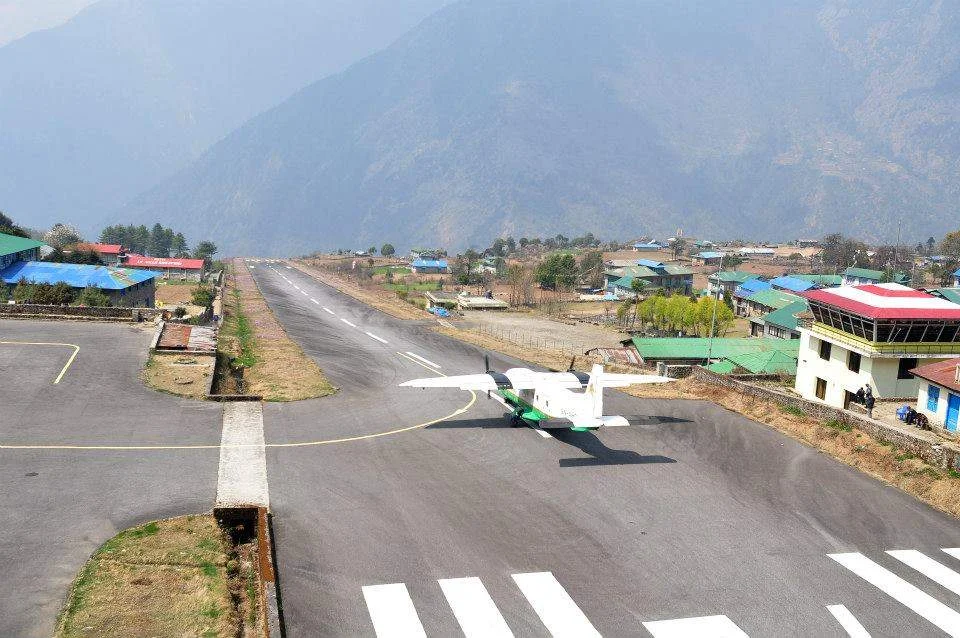
Firstly, the Everest Base Camp Trekking begins in Kathmandu and heads
to
the Tenzing Hillary Airport in Lukla on a short flight. Then, you
trail
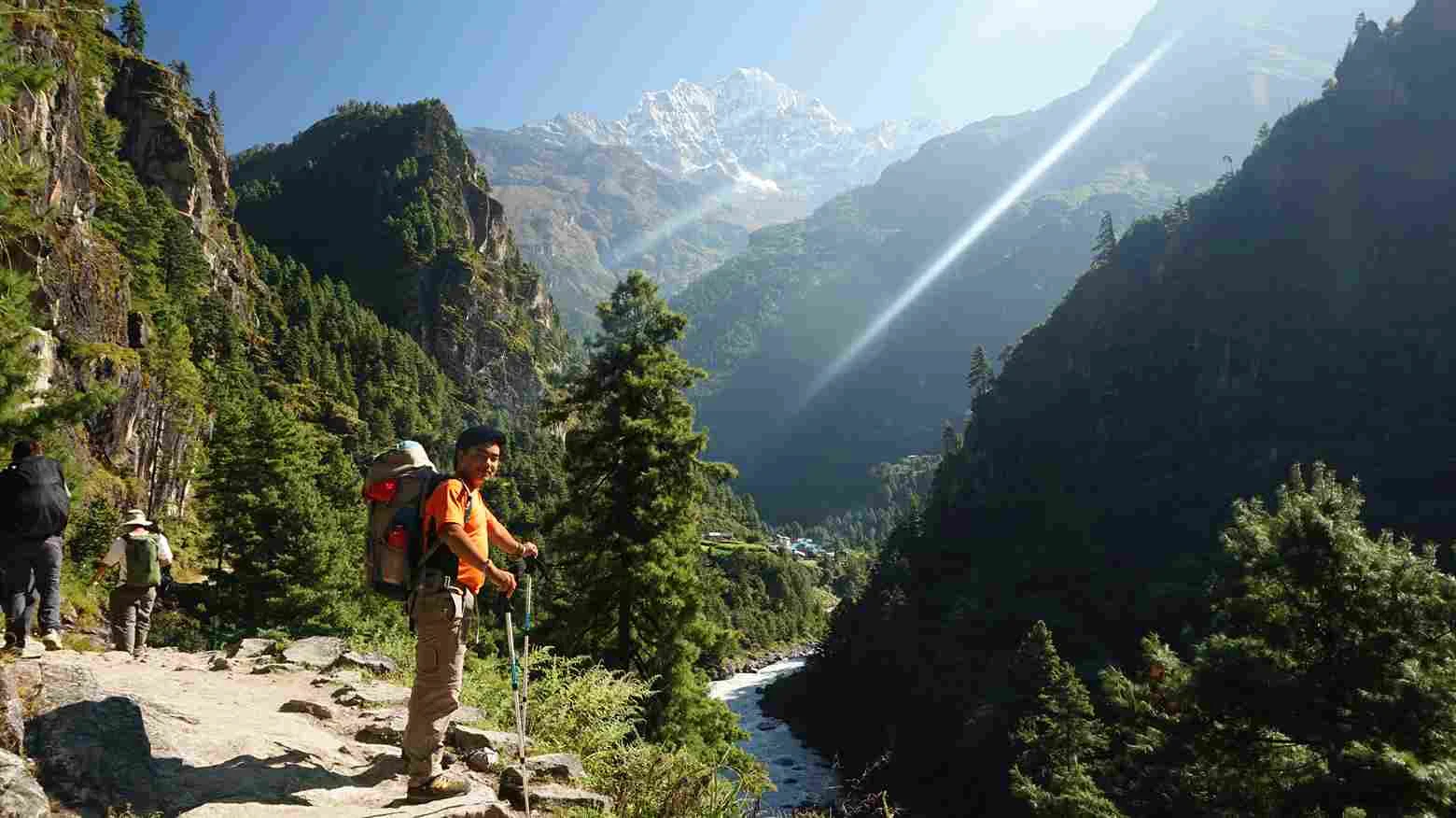
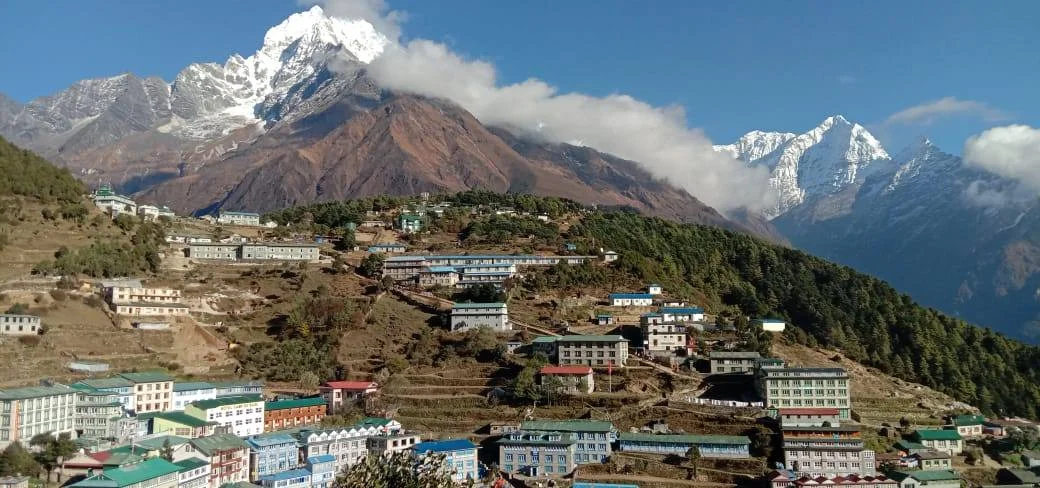
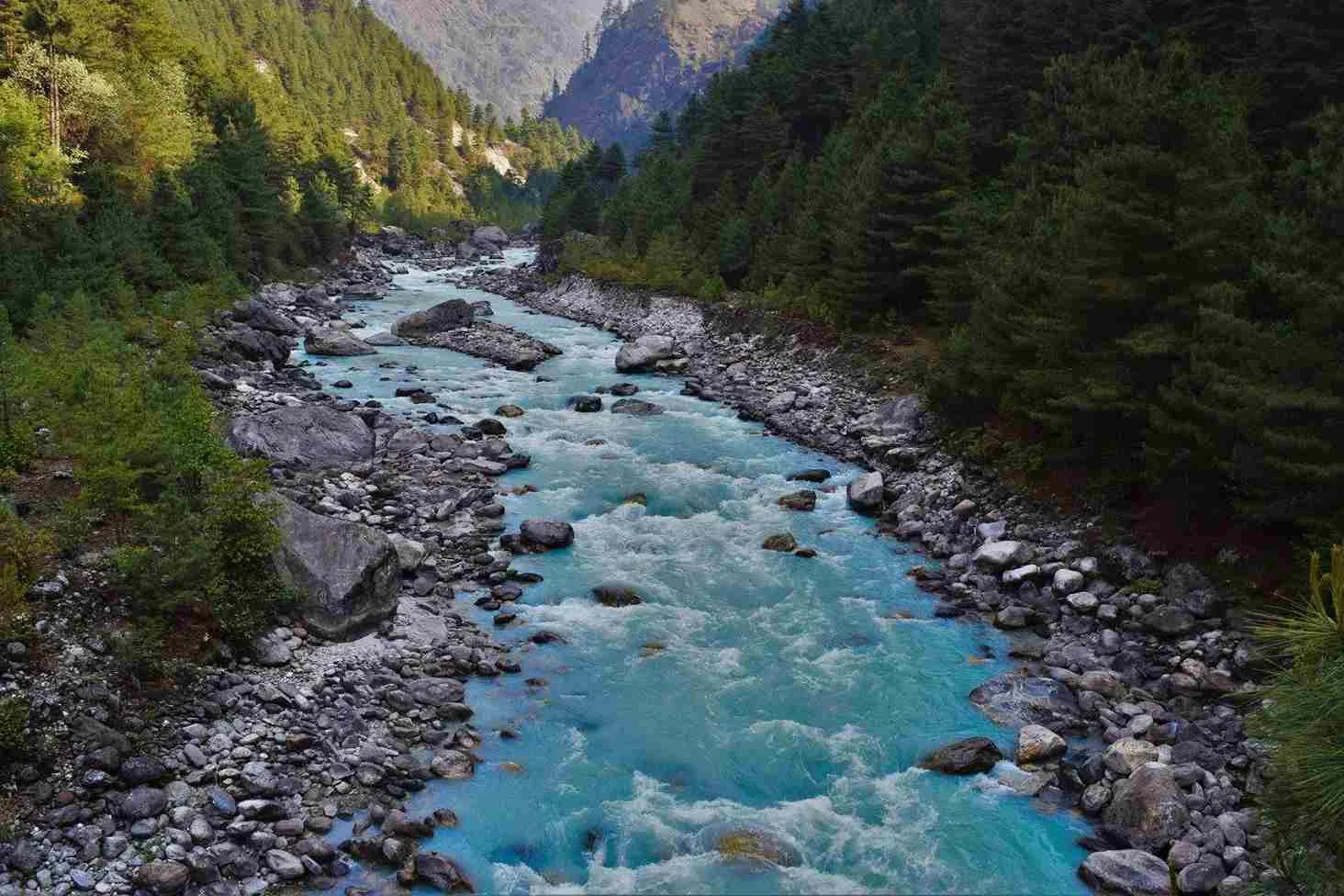
along the Dudh Koshi River before entering the Sagarmatha National
Park.
From here, you follow the Imja River and head to Tengboche. As you
enjoy
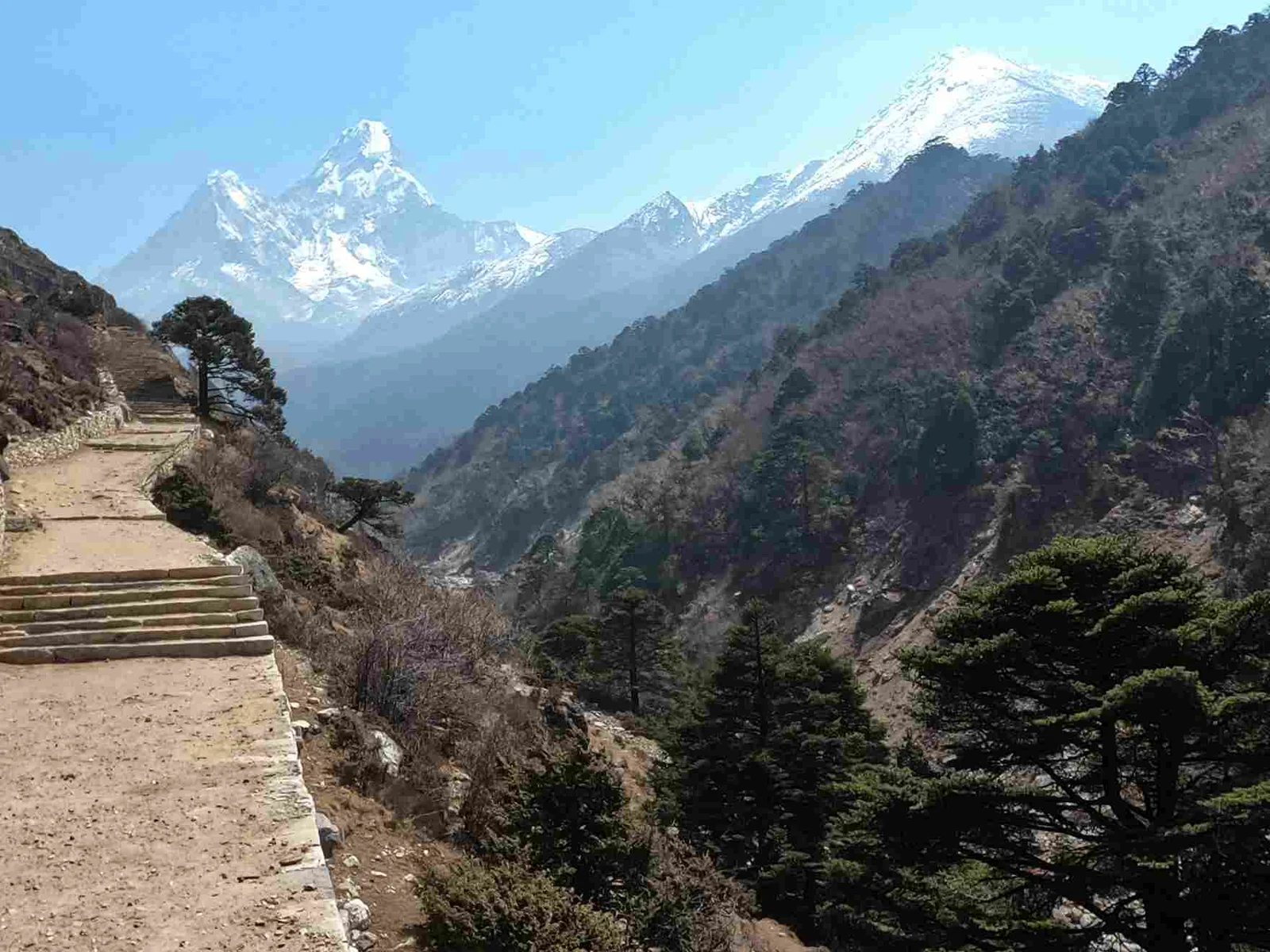
the views of Mt. Ama Dablam (6,856m), you will reach Dingboche.
At Dingboche, you will acclimatize for a day and hike to the local peak called
Nangkar Tshang (5,161m). Then, the next part of the trek takes you to
Thukla and Lobuche. Further, you trek along the Khumbu
Glacier and reach Gorakshep. Next, you trek along the arid trails to
settle
at the Everest Base Camp, surrounded by breathtaking views of
Pumo Ri and Nuptse.
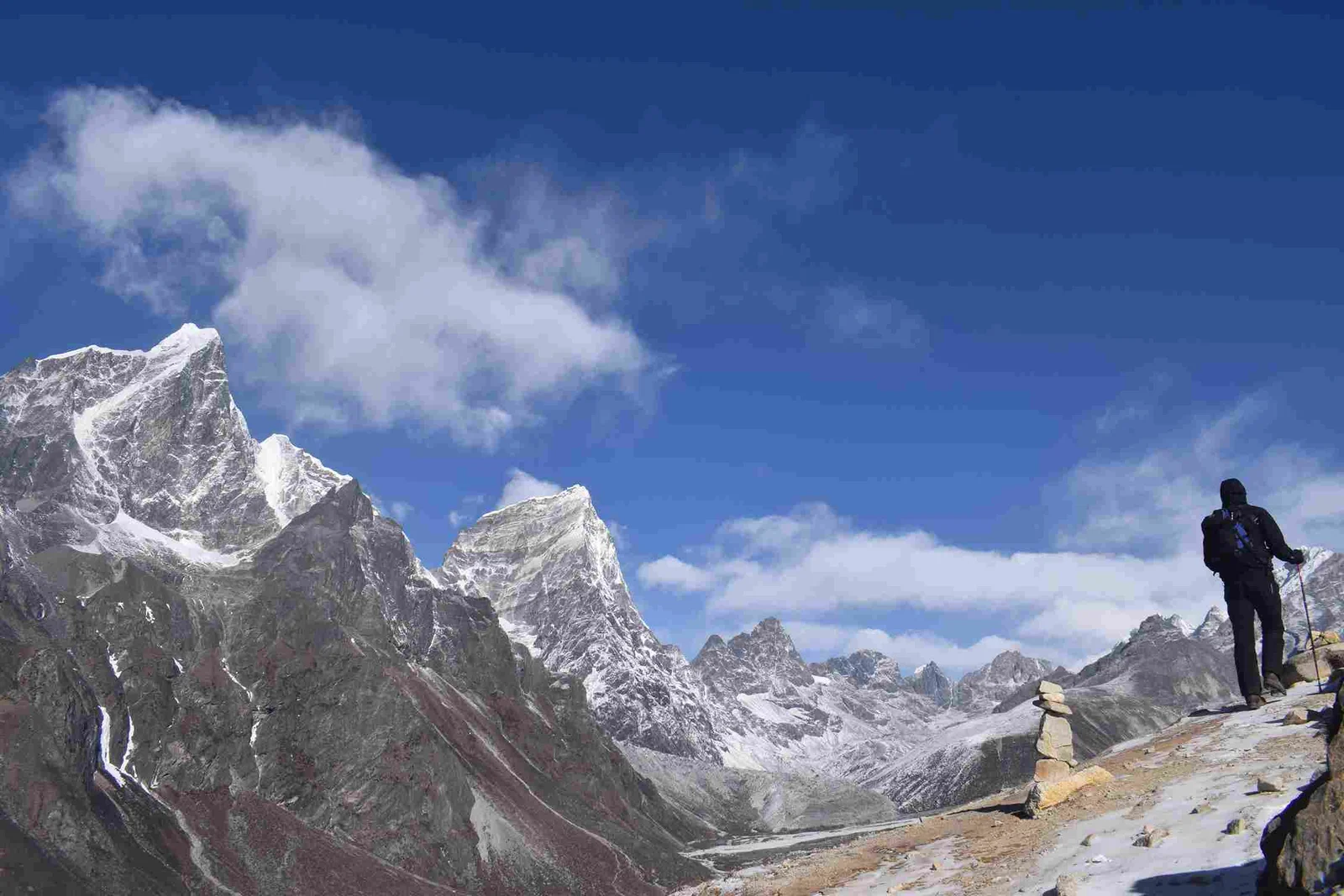
The trek then leads to Kalapatthar, a stunning vantage point offering a surreal view of
Mt. Everest (8,848m), Lhotse (8,516m), Ama Dablam,
and
other majestic peaks. Finally, you retrace your journey via Thukla and
Tengboche, returning through Namche Bazaar to Lukla,
where you’ll take a scenic flight back to Kathmandu.
Trip Facts
Weather
-15°C to 18°C
Duration
12 Days
Difficulty
Moderate
Accommodation
Lodges
Meals Included
Breakfast, Lunch, Dinner
Best Season
Sept, Oct, Nov, Mar, Apr, May
Transportation
Flight
Daily Activity
Approx. 5–6 hours hike
Max. Altitude
5364m./17701ft.
Ethnic People
Sherpa, Rai
Geographic Terrain
Mountain, Forest, Village, Glacier
Region of Nepal
Everest Region, Khumbu
Trekking Highlights
Experience the breathtaking adventures of the Everest region
Explore the Everest Base Camp, Khumbu Glacier, and Icefall
Enjoy the trek across the Sagarmatha National Park
Visit various Sherpa settlements like Tengboche, Thukla, and Lobuche
Relish the panorama of Everest Himalayas including Mt. Everest (8848m), Lobuche (8516m), and Cho
Oyu
(8188m)
Trek to the remote and adventurous trails of the Everest region
Take a spiritual visit to ancient monasteries like Tengboche, Pangboche, Khumjung,
Nangkartshang,
and more
Witness the remains of Yeti, the abominable snowman, at Khumjung Monastery
Discover the diverse flora and fauna of the Khumbu region including red pandas, snow leopards,
and
more
Experience Sherpa people's culture, traditions, local customs, and hospitality firsthand
Day-to-day-Itinerary
Experience each day in detail with photos and highlights
Day 1: Trekking begins at Kathmandu
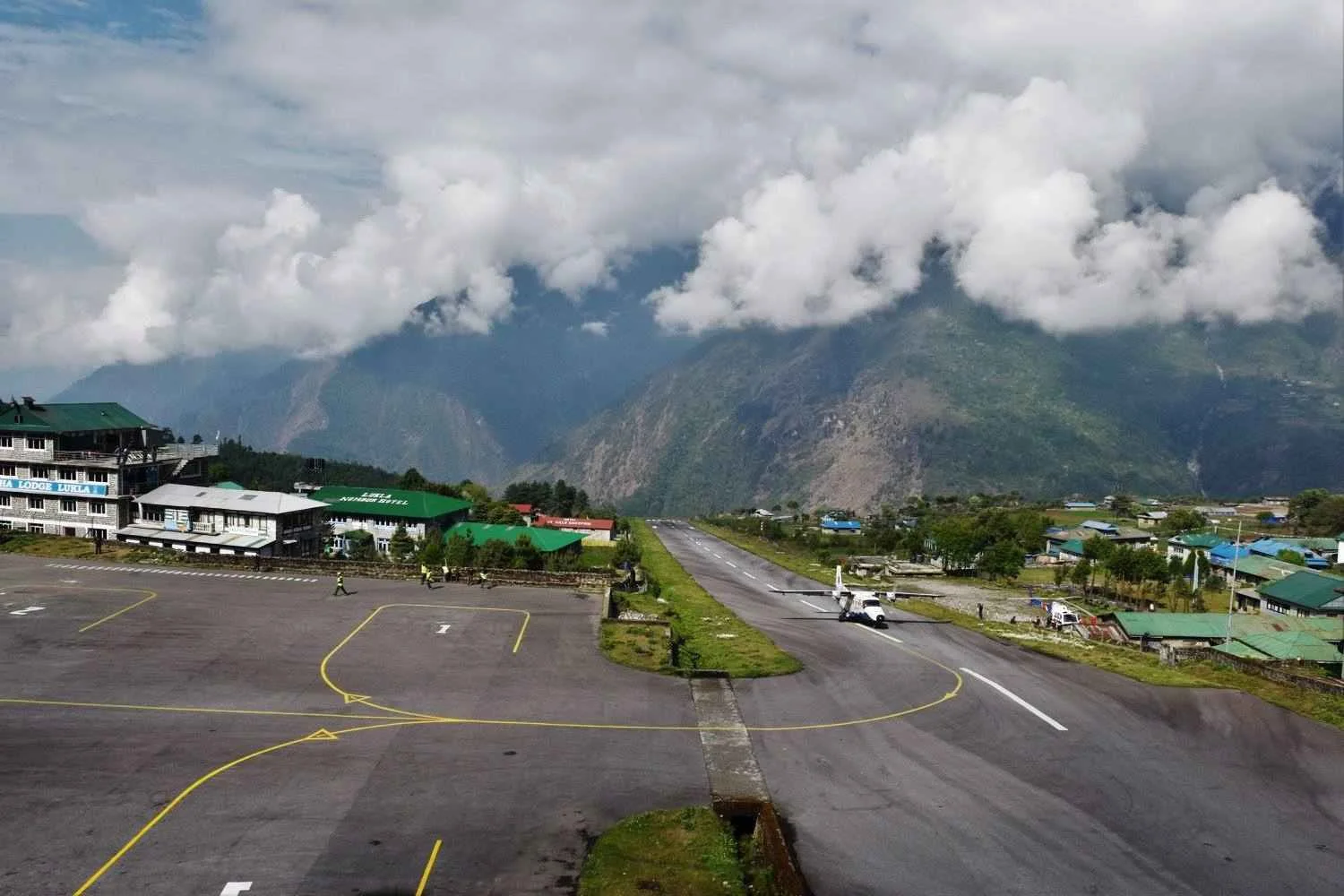
The day begins rather early as you pack your bags and drive to
Tribhuvan International Airport. Embark on a domestic
flight to Lukla. The scenic half-hour long flight takes you over the pristine forested hills
and deep ravines towards
Lukla. Upon arrival, you’ll enjoy your breakfast and then embark on the first day of the
trek. Enjoy a scenic trek along
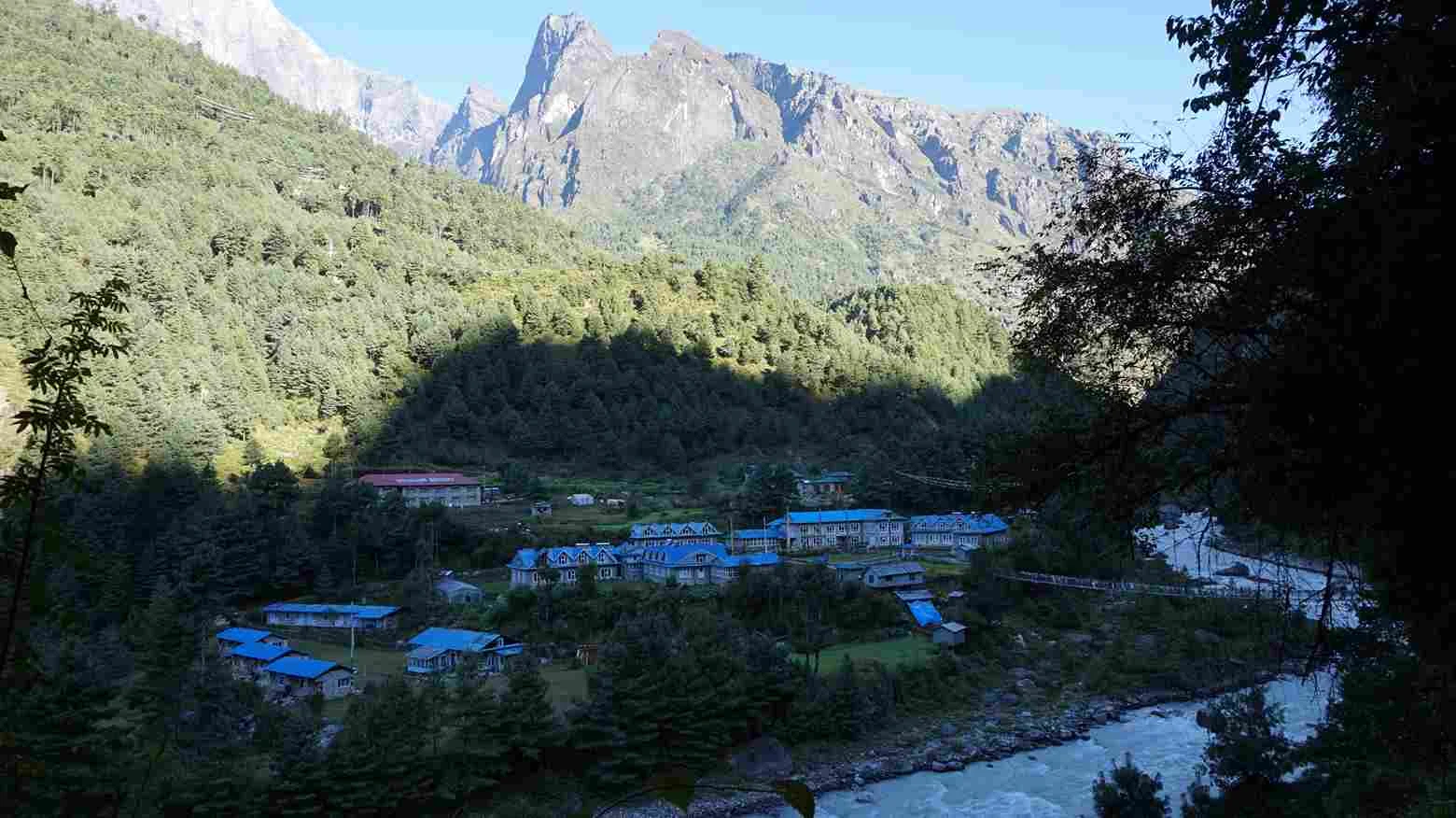
the pristine Dudh Koshi River to Phakding village. Overnight in Phakding.
Day 2: Trek to Namche Bazaar
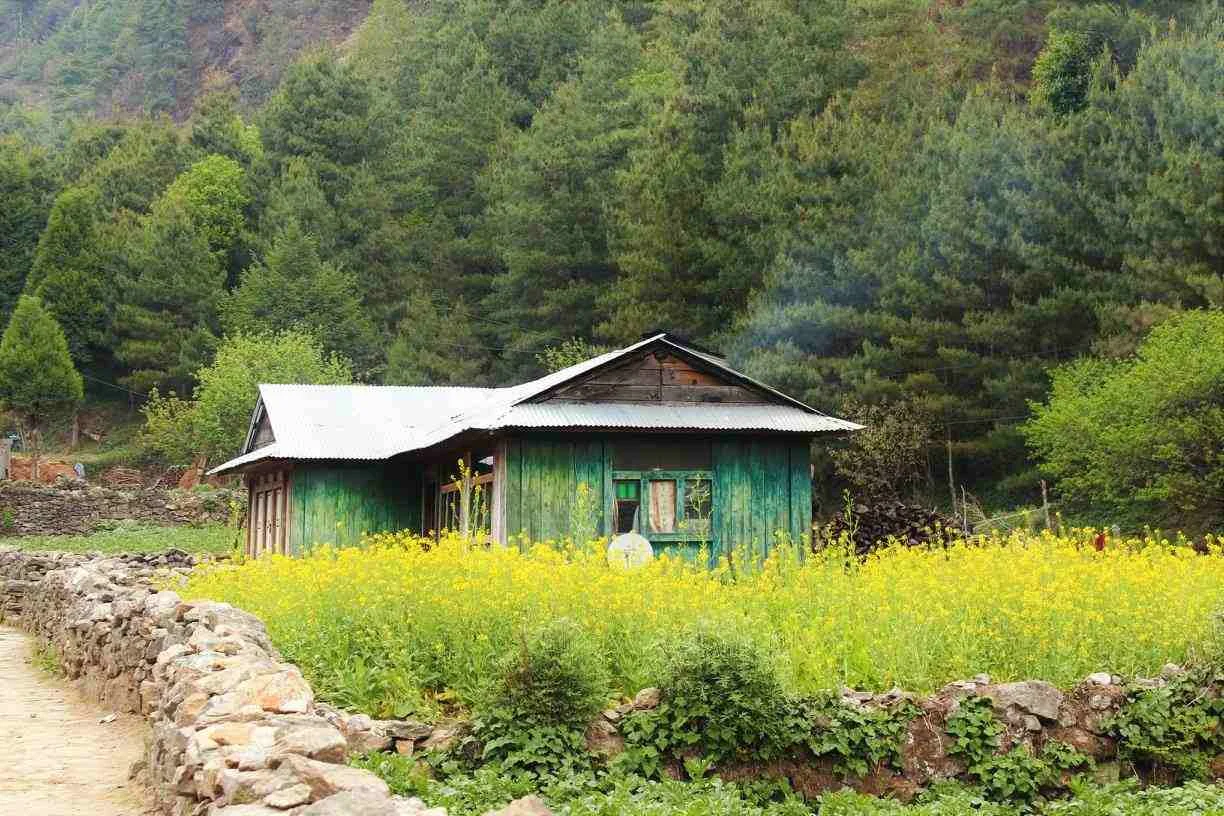
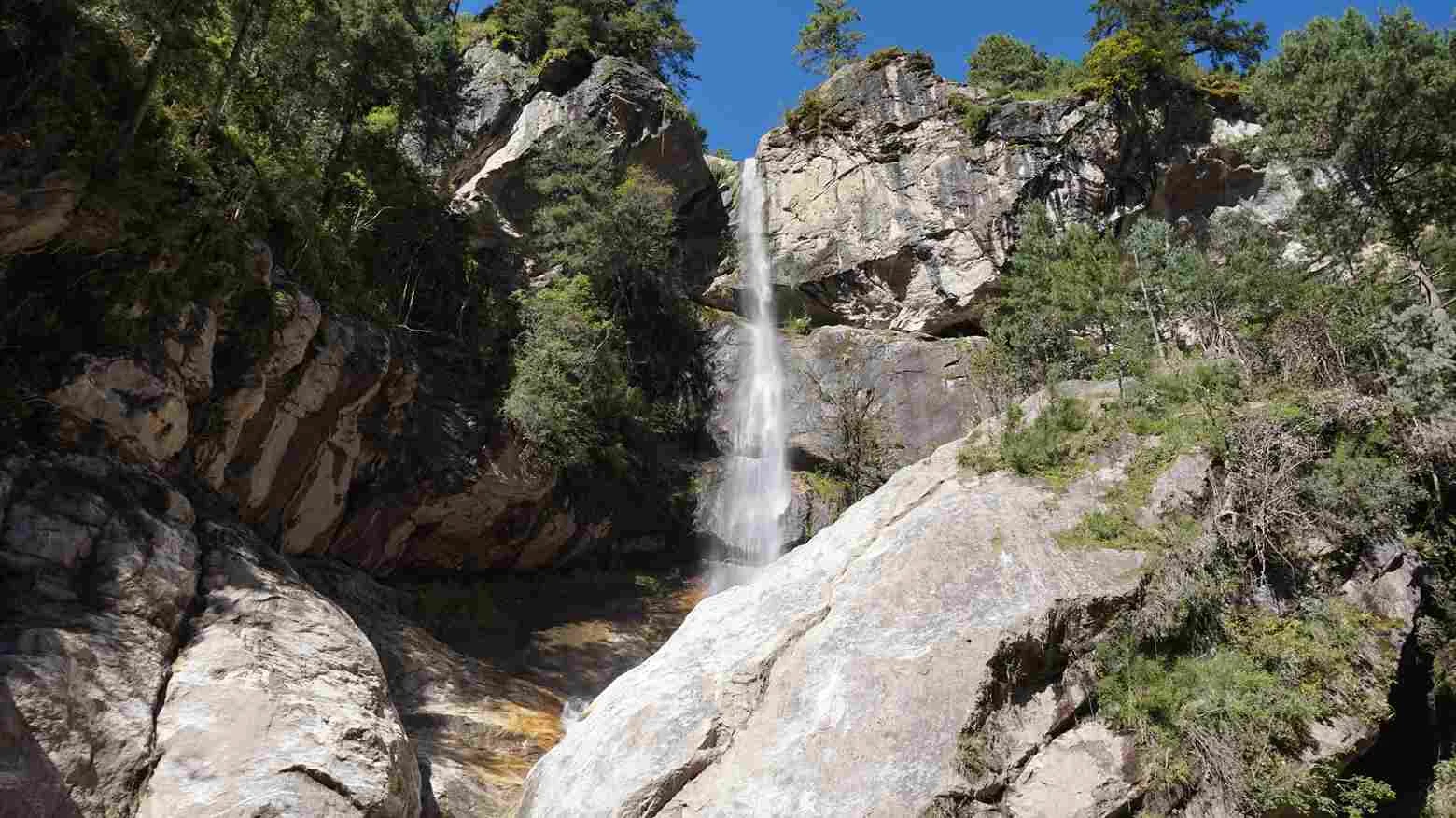
You’ll walk past few scenic waterfalls en route. At Monjo, you’ll get
the permit for Sagarmatha National park. The trail
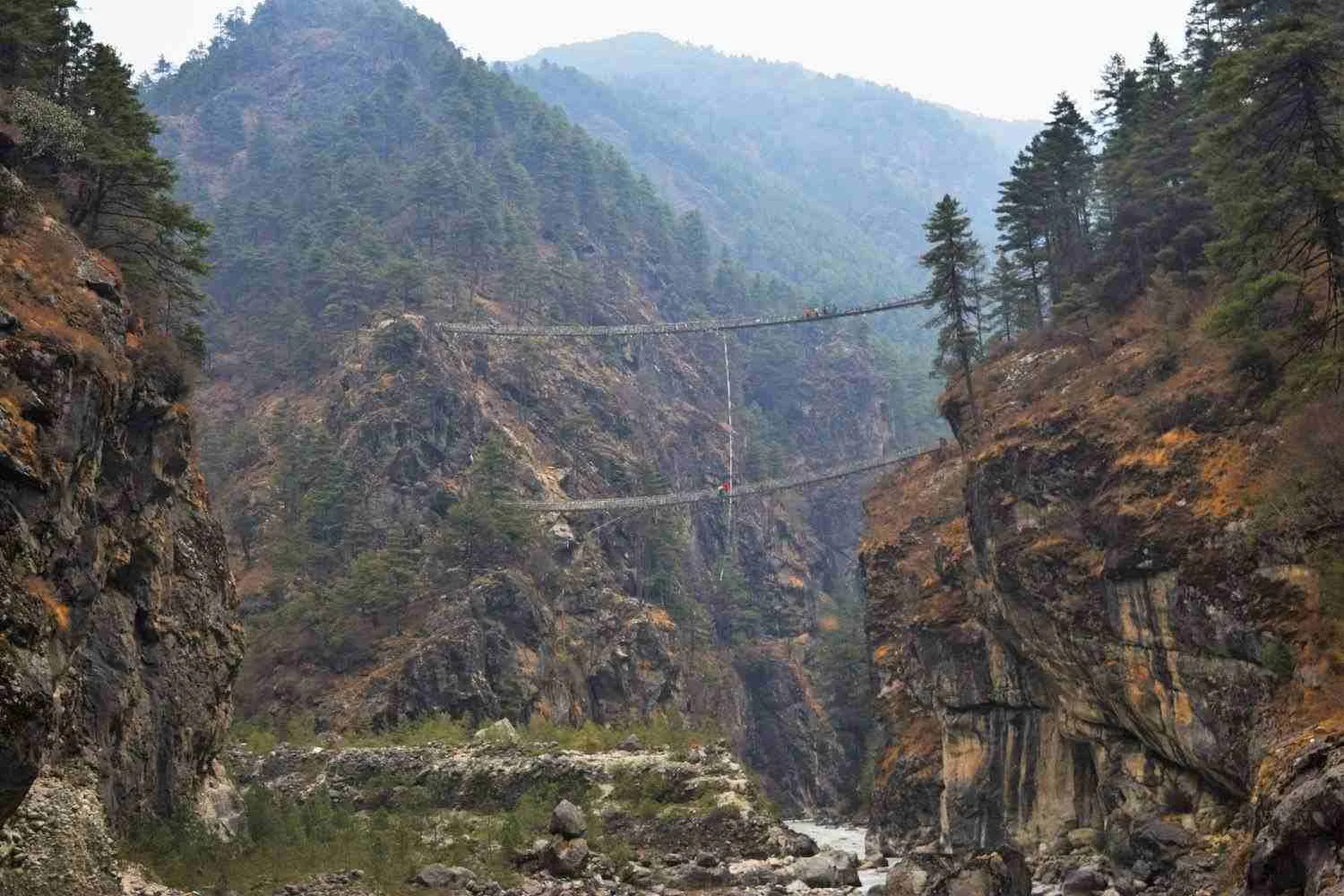
continues through Jorsalle and crosses few suspension bridges en route to Namche Bazaar.
Namche is the largest village
in the entire Everest Region. Enjoy the majestic sight of Kongde Ri range from Namche
Bazaar. Overnight in Namche.
Day 3: Acclimatization in Namche Bazaar
Today is a rest day, and you can undertake a scenic tour around the
village. Later, you can also take a short hike to the Khumjung and Khunde villages. After
exploring Namche Bazaar, you’ll begin
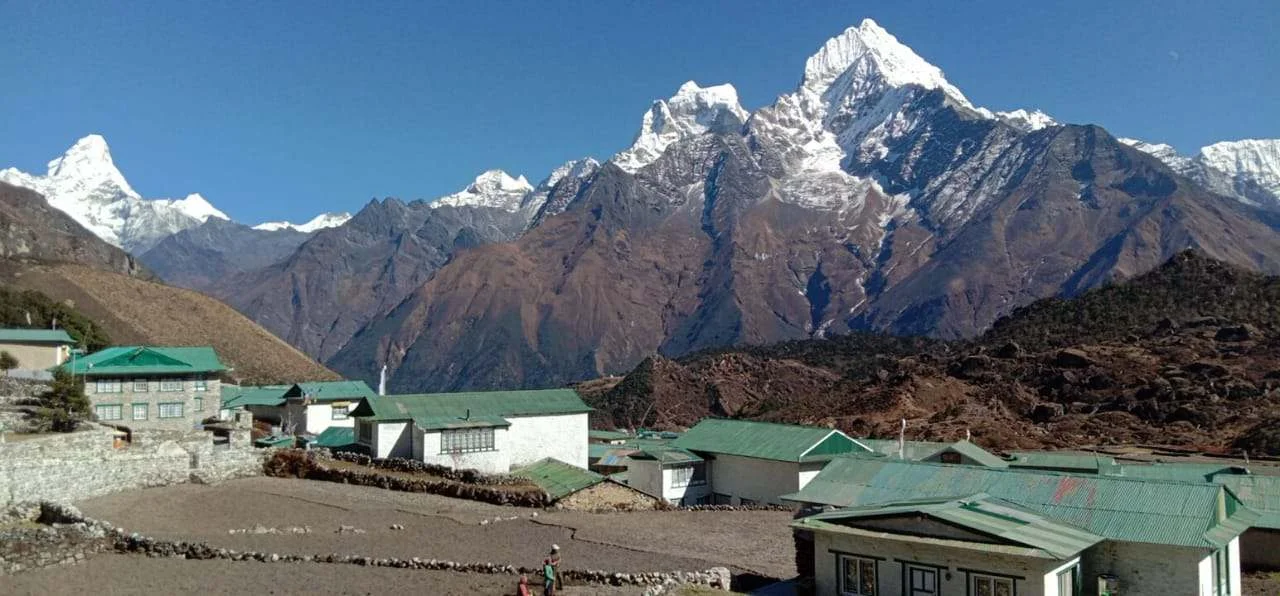
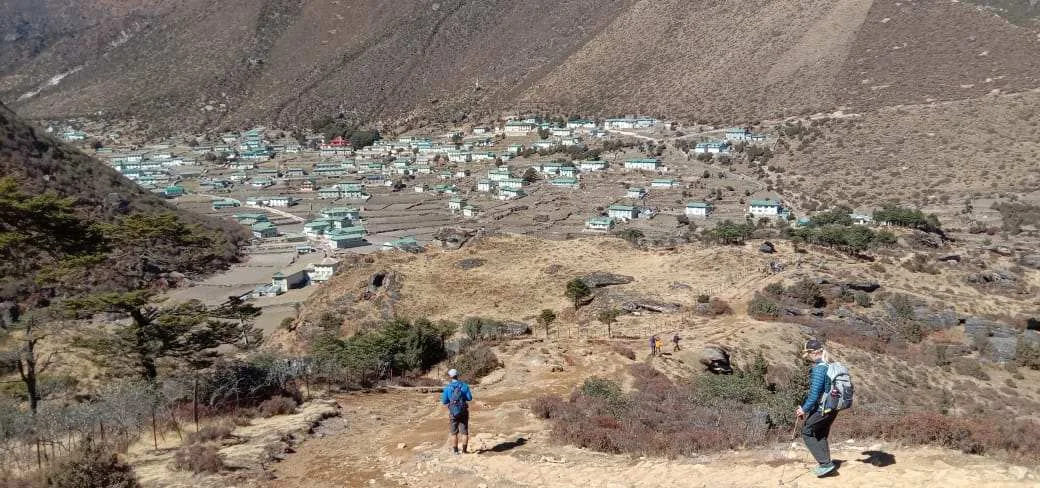
trekking uphill for an hour to reach Khumjung Monastery. A small Sherpa village of Khumjung
is home to Khumjung
Monastery, which has preserved the remains of Yeti, an abominable snowman. Walk past the
scenic Syangboche Airport
towards Khunde village. You can visit the equally beautiful Edmund Hillary School en route
to Namche Bazaar. Overnight
in Namche.
Day 4: Trek to Tengboche
Leaving Namche Bazaar, you’ll begin trekking upstream along the Dudh
Koshi River. A steep hike takes you towards Phunki Tenga village. The trail continues
alongside the mesmerizing view of Ama Dablam
(6856m) and climbs over 427 meters in altitude. Tengboche village is home to Tengboche
Monastery, the largest monastery
in the Everest Region. The 100-years old monastery celebrates the history of
Tibetan-Buddhism. It also hosts the annual
festival of Mani Rimdu in October. After spending some time at Tyangboche, you will descend
to Debuche. Overnight in
Debuche.
Day 5: Acclimatization in Dingboche
After enjoying your breakfast, you’ll embark on the trek. Leaving
Debuche, you’ll leave the forested path behind and begin climbing the rocky terrain. The
trail drops to the
pristine Imja Khola (River) and begins to rise again en route to Pangboche village. Walk
past thousands of Mani stones
en route to Shomare. The day ends at Dingboche village, a remote Sherpa village. Overnight
in Dingboche.
Day 6: Acclimatization/ Excursion around
Today, you’ll spend the day acclimatizing at Dingboche. To better
utilize this day, you can take an adventurous hike to the local peak of the Nangkartshang
peak (5083m) named
after the century-old Nangkartshang monastery. From the top, you can catch the natural
sights of Mount Taboche (6367m),
Ama Dablam (6856m), Island Peak (6189m), Lhotse (8516m), and Mount Everest (8848m). Retrace
your path back to Dingboche
village overlooking the beautiful Mt. Pumo Ri (7165m). Overnight in Dingboche.
Day 7: Trek to Lobuche
Leaving Dingboche behind, you'll continue your trek towards Lobuche.
The trail ascends gradually alongside the moraine of the Khumbu Glacier and offers
spectacular views of the surrounding
mountains, including Tawache and Cholatse. You'll pass through Duglha, where you'll have a
break for lunch. Afterward,
the trail ascends steeply up to the memorial area dedicated to climbers who lost their lives
on Everest. From here, the
trail flattens out somewhat as you approach Lobuche, a small settlement with stunning views
of Nuptse. Overnight in Lobuche.
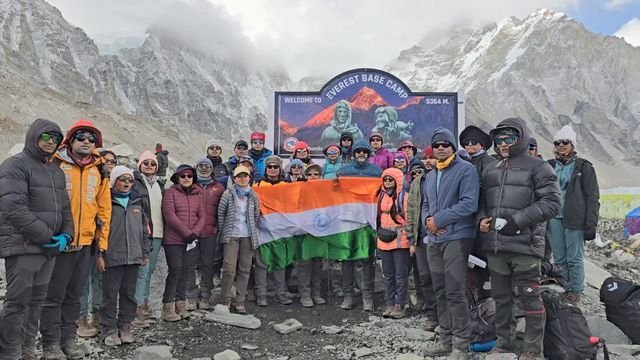
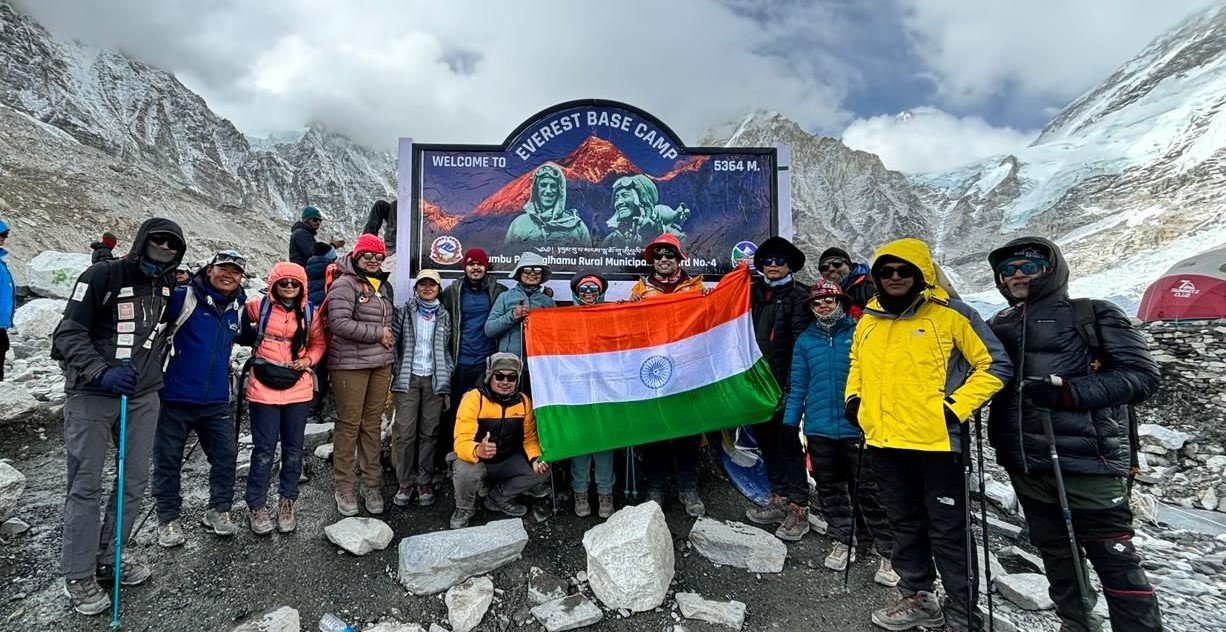
Day 8: Trek to Gorak Shep, Visit Everest
Base Camp
Today is a challenging yet rewarding day as you trek to Everest Base
Camp.
Leaving Lobuche, the trail follows the rocky moraine path, glacial ponds, and icebergs down
to Gorak Shep. After lunch
and some rest at Gorak Shep, you'll continue towards Everest Base Camp. The trail can be
challenging due to the high
altitude and rocky terrain but offers incredible views of the Khumbu Icefall and surrounding
peaks. Spend some time at
Base Camp soaking in the atmosphere and views before retracing your steps back to Gorak Shep
for overnight stay.
Day 9: Hike to Kalapatthar, Trek to Pheriche
Early morning climb to Kala Patthar (5550m)
After witnessing the sunrise and capturing some breathtaking photos, descend back to Gorak
Shep for breakfast. Then,
continue your descent towards Pheriche. The trail offers panoramic views of mountains like
Everest, Nuptse, Lhotse, and
others. Pheriche is a small village nestled in a windy valley, known for its scenic beauty
and hospitality. Overnight in Pheriche.
Day 10: Trek back to Namche Bazaar
Leaving Pheriche behind, you'll retrace your steps back towards Namche
Bazaar.
The trail passes through Pangboche and Tengboche, offering the chance to revisit the
beautiful monasteries and enjoy the
serene mountain views. Descend further through forests and cross suspension bridges over the
Dudh Koshi River before
reaching Namche Bazaar. Spend the evening exploring the vibrant market and celebrating the
completion of your trek. Overnight in Namche Bazaar.
Day 11: Trek to Lukla
Today marks your last day of trekking as you make your way back to
Lukla.
The trail descends steeply through forests and crosses several suspension bridges over the
Dudh Koshi River. Pass
through Monjo and Phakding before making the final ascent to Lukla. Upon reaching Lukla,
enjoy a celebratory dinner with
your trekking crew and reflect on the incredible journey you've had. Overnight in Lukla.
Day 12: Fly to Kathmandu
Take an early morning flight back to Kathmandu, bidding farewell to the
mountains.
Upon arrival in Kathmandu, transfer to your hotel and enjoy a well-deserved rest. Spend the
day exploring Kathmandu,
visiting cultural sites, and shopping for souvenirs. In the evening, celebrate the
successful completion of your Everest
Base Camp trek with a farewell dinner. Overnight in Kathmandu.
Frequently Asked Questions
Get answers to the most common questions about the 7 Days Annapurna Base
Camp Trek
Yes, Everest Base Camp Trekking is safe for tourists. This area has not been affected by the
earthquake in 2015. Also,
there have been no outbreaks of epidemics, viral diseases, or COVID-19 in this region. The
government and other
respective bodies continuously work to facilitate accessible communication, comfortable and safe
internal travel, proper
healthcare facilities, and accommodation services for tourists.
Even though it is a moderate trek, the trail passes through steep climbs and ascents that can be
demanding and tiresome.
Therefore, it is beneficial for all travelers to exercise daily starting a month before their
trip. This helps the body
acclimatize to the physical demands of the journey. Participants with pre-existing medical
conditions such as heart,
lung, and blood diseases should inform us before booking the trek and are advised to seek
medical advice or consent from
their doctors before the trek.
The best seasons to trek this route are autumn (September to November) and spring (March to
May). During autumn, the
weather is stable, dry, and clear, making it ideal for trekking. Spring brings vibrant trails
with blooming wildflowers
and rhododendrons. Both seasons offer clear days perfect for enjoying the stunning mountain
views.
Travel insurance covering medical and emergency helicopter rescue expenses at high altitudes is
compulsory for trekking
members booking with us. You must provide insurance documents before departure. If you do not
have appropriate
insurance, we can assist you in obtaining one to cover potential altitude sickness and
unforeseen events.
Yes, we cover the insurance expenses for our team members, including guides and porters. Nepal
Alternative Treks funds
their insurance, meals, salary, lodging, transportation, and necessary equipment.
Our licensed guides speak fluent English and some local languages like Sherpa. They are
extensively trained to handle
emergencies, accidents, and manage accommodations. They have in-depth knowledge of the
Himalayas, altitude sickness,
geography, local culture, customs, and biodiversity. Their primary concern is your safety and
satisfaction throughout
the trek, making your journey easier, exciting, and enriching.
Acute Mountain Sickness (AMS) occurs when your body fails to acclimatize to decreasing oxygen
levels at higher
altitudes, leading to symptoms like nausea, vomiting, headache, and fatigue. Our itineraries
include acclimatization
days to reduce the risk of AMS. Our guides are trained to monitor AMS symptoms, provide medical
assistance, and
coordinate evacuations if necessary. Immediate descent to lower altitudes and medical attention
are recommended if AMS
symptoms persist or worsen.
Money exchange is limited along the trekking route. It's best to exchange currency in Kathmandu
or carry enough cash.
Credit cards and foreign currencies are not accepted on the trekking route. Lukla and Namche
might offer limited money
exchange facilities with lower exchange rates.
We arrange one porter for two trekkers with a weight limit of 20 kilograms per porter (10kg per
trekker). If you have
excess luggage, you can hire an additional porter at an extra cost.
Lukla flights have a weight limit of maximum 10kg for checked luggage (two pieces) and 5kg for
hand-carry. Excess
baggage fees apply and are typically around USD 1 per kilogram.